

Appreciated for its enormous therapeutic properties, CBD, or cannabidiol, is a cannabinoid in cannabis that does not boast psychoactive effects, therefore it is not researched by any analysis. However, as more and more people choose to integrate it into their daily lives, it is normal to ask whether massive consumption could cause a positive drug test.
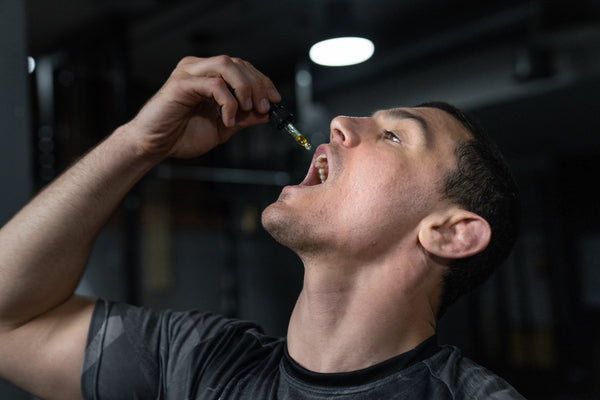
How a drug test works
Let's start from a fundamental consideration: there is no drug test that looks for CBD for two reasons:
- does not generate psychoactive and/or doping effects
- it is a legal substance in Italy
Having specified this, the classic drug tests look for or the THC itself, precisely the molecule with the psychoactive effects of cannabis, or its metabolites, in particular THC-COOH. Le analysis carried out most commonly by both employers, sports authorities and law enforcement agencies there are three:
- urinalysis: which specifically look for THC-COOH, which our body has metabolised starting from THC and which remains within it for a longer period of time than the intact molecule;
- saliva test: quick and economical, this is among the least invasive and consequently preferred methods for searching for narcotic substances. Saliva tests look for THC itself;
- blood tests: like the previous ones, blood tests also look for THC, but are less common due to the decidedly higher cost;
What is the detection threshold for THC?
In standard drug tests, although they may vary by country, THC-COOH levels in urine must be equal to or greater than 50 ng/ml to test positive. For testing salivary instead, the threshold to overcome is 25 ng/ml and, finally, for the analysis of blood the THC detected must reach approximately 5 ng/ml.
Can CBD cause you to fail a drug test?
Unfortunately yes, CBD could cause a false positive. This happens because, even if cannabidiol has no narcotic effects and is therefore not researched, i products rich in CBD they can contain, according to the current legislation governing hemp in Italy, up to 0.5% THC. A negligible amount that does not generate any effect, but which unfortunately could contribute to a positive drug test.
CBD and THC: the differences
Among the more than 100 cannabinoids identified so far in the cannabis plant, CBD and THC occupy a place of honor. Both interact with our endocannabinoid system and have enormous benefits on our body, however, they are very different substances from each other.
Among them main differences between CBD and THC, it certainly stands out that cannabidiol (CBD) does not have narcotic effects, while delta-9-tetrahydrocannabinol (THC), on the other hand, is the molecule responsible for the psychoactive effects of cannabis.
For the second difference we must first specify that the endocannabinoid system, responsible for the homeostasis of our organism, therefore for maintaining internal balance, is composed of endogenous cannabinoids similar to the phytocannabinoids of cannabis, in particular anandamide (AEA) and 2-arachidonoylglycerol (2-AG), CB1 and CB2 receptors and enzymes.
Here it is, THC binds to CB1 receptors present in the central nervous system, therefore which mainly affect the brain and spinal cord and the second (CBD), however, binds to CB2 receptors, present in the peripheral systems of our body, in particular the immune system.
Finally, these molecules boast enormous therapeutic properties and both are widely used in the medical field, but the CBD it is known for its analgesic, anti-inflammatory, anxiolytic, neuro-protective, antiemetic, anticonvulsant, antioxidant qualities and for improving the quality of sleep, THC on the other hand is used to: relieve pain, treat glaucoma, reduce muscle spasms from multiple sclerosis, sleep disorders, treat anxiety and depression, stimulate appetite, soothe nausea and vomiting from chemotherapy and radiotherapy, treat Alzheimer's and other pathologies.
Does CBD oil contain THC?
Before each purchase, it is essential to check that our source strictly complies with current regulations and therefore the CBD oil is either THC-free or contains the limit guaranteed by law. Despite this, it is good to specify the different CBD formulas on the market, including:
- CBD isolate: when the oil contains exclusively CBD;
- Broad-spectrum CBD, if the chosen oil also includes other cannabinoids, but not THC;
- Full-spectrum CBD when the oil contains all cannabinoids including THC, but always within the limits imposed by law;
How long is THC traceable in the body?
There is no universal answer, it can vary from person to person. It depends on your fitness, metabolism, diet and even your gender or ethnicity. However, the main factors to consider are the frequency with which we take marijuana and the type of test to which we subject ourselves.
Depending on the analysis, it is possible trace THC in the body:
- in the urine for 3 days if you are an occasional consumer (one to three times a week), for 5–7 days if you are a moderate consumer (four times a week), for 10–15 days if you are a chronic consumer (daily consumer), for more 30 days if you are a chronic heavy user (multiple times a day);
- in salivary samples from 3 to 29 days, depending on whether we are occasional or chronic consumers
- as before, THC is detected in the blood from 2 to 25 days approximately
- finally, with a lock of hair of just 3-4 cm it is possible to trace consumptions of up to 3 months earlier and, if the hair does not reach 3 cm in length, the necessary hairs are taken from the axillary or pubic area which, growing more slowly, guarantee even more in-depth analyses.
All the ways to get rid of THC quickly
If we have a drug test on the horizon, try i better methods to dispose of THC faster it is an essential option. Remedies which include sport, diet, supplements, water consumption and some secrets to be implemented at the time of the analysis.
However, if the time available is not enough, our lifeline is gods purifiers specifically for the elimination of THC, a natural concentrate of spices and plants used in phytotherapy for their purifying properties.


