

Taking cannabis for recreational use can reduce the risk of cognitive decline.
Against every prohibitionist theory, according to which consuming cannabis causes brain damage, scientists from Upstate Medical University have concluded that the recreational use of this substance is linked to a 96% decrease in the probability of perceiving subjective cognitive decline (DCS).
Published on Current Alzheimer Research, it study, conducted by the Master's student in Public Health Zhi Chen and the Professor Roger Wong, analyzed data from the Centers for Disease Control and Prevention (CDC) of 4,744 adults Americans over the age of 45.
Research that differs from the previous ones for two reasons. One, it only involved middle-aged and elderly people. Two, it focused on three fundamental points: type of cannabis use (medical or non-medical), frequency of use and method of use (smoking, vaping, eating or “dabbing”).
Explaining that the combined non-medical use of cannabis also appears to be associated with a reduction in the likelihood of cognitive decline, but not significantly. The frequency and method of consumption instead they were not associated significantly to the DCS.
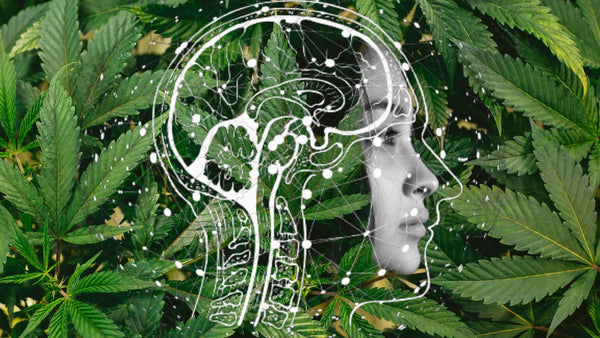
Cannabis: "protective for our cognition"
"The main conclusion is that cannabis could be protective for our cognition, but it's really crucial to have longitudinal studies because this is just a snapshot of 2021 - said Professor Wong, associate in the Department of Public Health and Preventive Medicine - We don't know whether non-medical use of cannabis leads to better cognition or, conversely, whether those with better cognition are more likely to use non-medical cannabis."
It is therefore essential: "Have studies longitudinal to see in the long term whether non-medical use of cannabis protects our cognition over time. But this research is hampered by the fact that cannabis remains federally illegal in the United States.
"The reason why I think this study is so important - Wong emphasizes - is that we looked all the different dimensions of use of cannabis. The fact that we included all three is a huge contribution to the research because I don't think a study like this has been done before."
Professor who said he was particularly surprised that mode and frequency did not affect subjective cognitive decline, given that other previous studies, with younger participants, have found a negative connection between brain health and cannabis use. A factor that perhaps suggests that the age of the participants plays a role in the different results.
Finally, Wong explained that the difference in protection between medical and non-medical use lies in the cannabis compounds. In fact, the one for medical use boasts higher concentrations of CBD and lower concentrations of THC. Compared to cannabis consumed for recreational use.
The neuroprotective effects of CBD
If other studies are needed to investigate the protective properties of recreational cannabis, there is various scientific evidence that confirms them neuropretective abilities of CBD.
CBD in fact it can limit the production of free radicals, prevent aging of brain cells, and, thanks to the anti-inflammatory effect exerted on neurons, protect them from damage, degeneration or malfunction. Finally, protect the brain from neurodegenerative conditions related to age or pathologies such as Alzheimer's and Parkinson's.
| For further information: "CBD as a natural and effective neuroprotector, scientific studies"


